
- October 6, 2026 /
- Posted by admin
Masonry can last for decades, but brick and stone are not immune to weather, moisture, temperature changes, and gradual deterioration. Cracked mortar joints, loose bricks, spalling surfaces, discoloration, and areas where mortar is missing can all indicate that masonry restoration may be needed.
When searching for masonry restoration near me, homeowners should look beyond cosmetic improvements. A professional assessment can help determine whether the problem is limited to deteriorated mortar or whether damaged masonry units, moisture intrusion, or structural movement are also involved. Addressing the underlying cause is important because simply covering visible damage may allow the problem to continue.
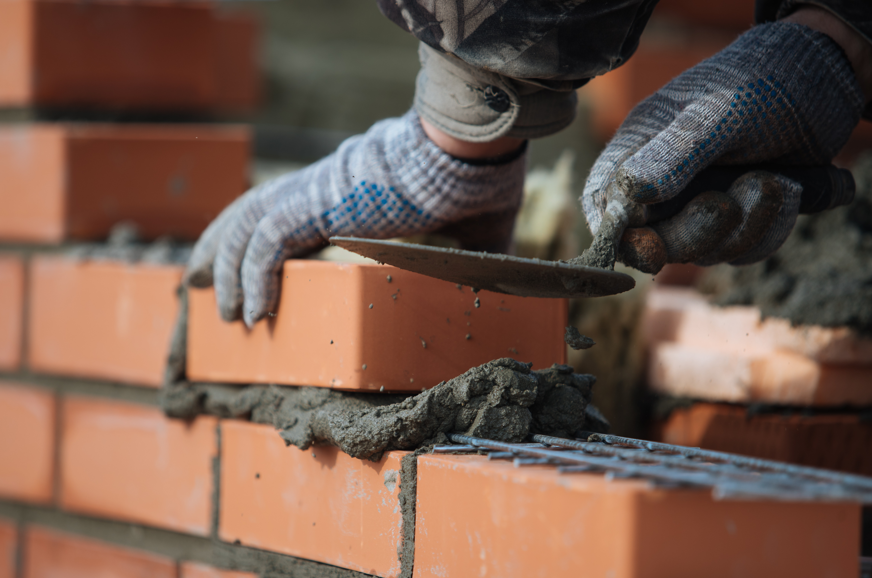
One of the most common restoration techniques is repointing. This involves removing deteriorated mortar from masonry joints and replacing it with new mortar that is compatible with the existing brick or stone. The National Park Service recommends matching important characteristics such as mortar composition, color, texture, permeability, and strength, particularly when working with historic masonry.
The choice of repair method also depends on the age and condition of the structure. Older masonry may contain softer brick and traditional lime-based mortar, meaning an overly hard replacement mortar can actually contribute to future deterioration.
A good restoration project should therefore begin with inspection rather than immediately replacing visible materials. Experienced masonry professionals can identify deteriorated joints, damaged bricks or stones, water-related problems, and areas requiring more extensive repair.
For homeowners looking for masonry restoration near me, comparing experience, previous projects, repair methods, and written estimates can help ensure that the restoration addresses both the appearance and long-term performance of the masonry.